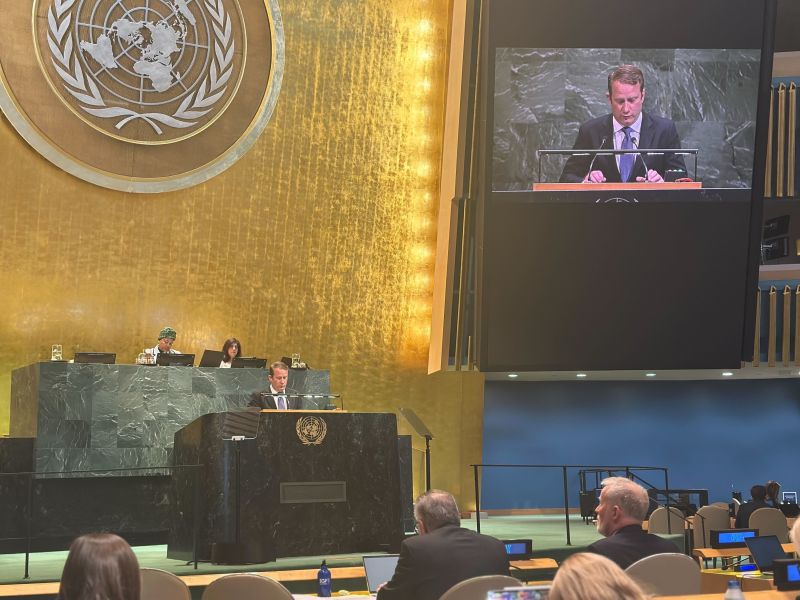
In 2025, world leaders, technology experts, and policy makers gathered to take stock of the World Summit on the Information Society, marking 20 years since the initiative began. The summit, known as WSIS+20, has focused on how information and communication technology (ICT) has shaped societies and how it can continue to support development goals in a rapidly changing digital age.
The review process has unfolded throughout the year, with a major high-level meeting at the United Nations General Assembly in mid-December building on preparatory discussions that began early in the year and included consultations across regions and stakeholder groups. The aim has been to evaluate how well WSIS goals have been met and to outline priorities for the future.
Supporters of WSIS highlight several positive outcomes from the past two decades of digital cooperation:
- ICT has played a strong role in extending connectivity and digital services in many communities.
- There are more initiatives promoting digital inclusion, e-agriculture, e-science, and open research platforms.
- Efforts to use technology for sustainable development have gained traction, with many countries adopting ICT strategies tied to economic and social goals.
- The WSIS Prizes 2025 recognized nearly 100 projects that use digital innovation to address development challenges, providing ideas and models that other nations can adopt.
Despite these positive developments, the WSIS 2025 review has also confronted significant challenges:
- Digital inequality remains a major hurdle. More than two billion people are still offline or lack meaningful access to digital tools, especially in rural and underserved regions. Bridging this gap was a central theme at the December UN meeting.
- Infrastructure and financing for ICT development vary widely. Many developing countries find it difficult to build and sustain reliable connectivity or to fund national digital strategies. Efforts to create financing mechanisms and international support were highlighted in draft outcome texts.
- Content and cultural diversity remain underrepresented online. Local languages and cultural content still lag behind dominant global platforms, limiting the relevance of digital resources for many populations.
- Other hurdles include ongoing concerns about data privacy, ethical use of technology, and threats such as disinformation and unequal economic benefits from ICT growth.
As the General Assembly wraps up the official review, member states and stakeholders are expected to adopt a set of commitments that will guide digital cooperation beyond 2025. These will likely focus on narrowing digital divides, reinforcing inclusive access to technology, and strengthening global partnerships that support information society goals in line with broader sustainable development priorities.
